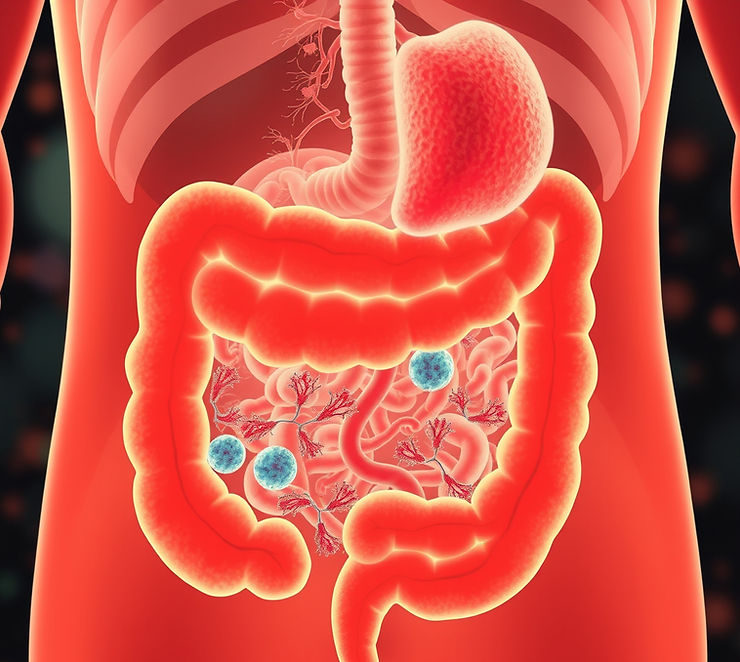
The Gut-Brain Connection: How Diet Affects Mood and Memory
Recent research is revealing something remarkable: what we eat may be just as important for our mental and cognitive health as how much we exercise or sleep. Welcome to the world of the gut-brain connection — one of the most exciting frontiers in health science.
Your Second Brain
Your gut contains what scientists call the enteric nervous system — a complex network of over 100 million neurons embedded in the lining of your digestive tract. This system communicates directly with your brain via the vagus nerve. In fact, roughly 90% of the communication on this highway flows from gut to brain, not the other way around.
Your gut is also home to roughly 100 trillion microorganisms — your microbiome. These bacteria, fungi, and viruses produce neurotransmitters (including 90% of your body's serotonin), regulate immune function, produce vitamins, and influence your mood, anxiety levels, and cognitive function.
How Diet Shapes Your Microbiome
The composition of your microbiome is shaped largely by what you eat. A diet rich in fiber from vegetables, fruits, legumes, and whole grains feeds beneficial bacteria. A diet high in ultra-processed foods, sugar, and seed oils tends to reduce microbial diversity and promote the growth of harmful bacteria — a state called dysbiosis.
The Mental Health Connection
Studies show that people with depression and anxiety tend to have less diverse gut microbiomes. Research has also found that transplanting gut bacteria from depressed individuals into healthy rodents induces depressive behavior — a remarkable demonstration of the gut-brain link. While causation in humans is still being studied, the associations are compelling.
Gut Health and Cognitive Decline
Emerging research links gut dysbiosis to increased inflammation, which crosses the blood-brain barrier and may contribute to neurodegeneration. Some researchers now believe gut health may be a significant modifiable factor in Alzheimer's risk.
Foods That Support Gut Health
- Fermented foods: Yogurt, kefir, sauerkraut, kimchi, and kombucha introduce beneficial live bacteria
- Prebiotic-rich foods: Garlic, onions, leeks, asparagus, bananas, and oats feed beneficial bacteria
- Diverse vegetables and fruits: Each plant food feeds different bacterial species — variety is key
- Omega-3 fats: Reduce gut inflammation and support microbial health
You eat three times a day. Every meal is an opportunity to either feed the beneficial bacteria that support your mood, memory, and vitality — or the harmful ones that undermine it. Choose wisely, consistently.
Ready to take the next step?